Password Cracking Model Based on Isomorphic Ideas
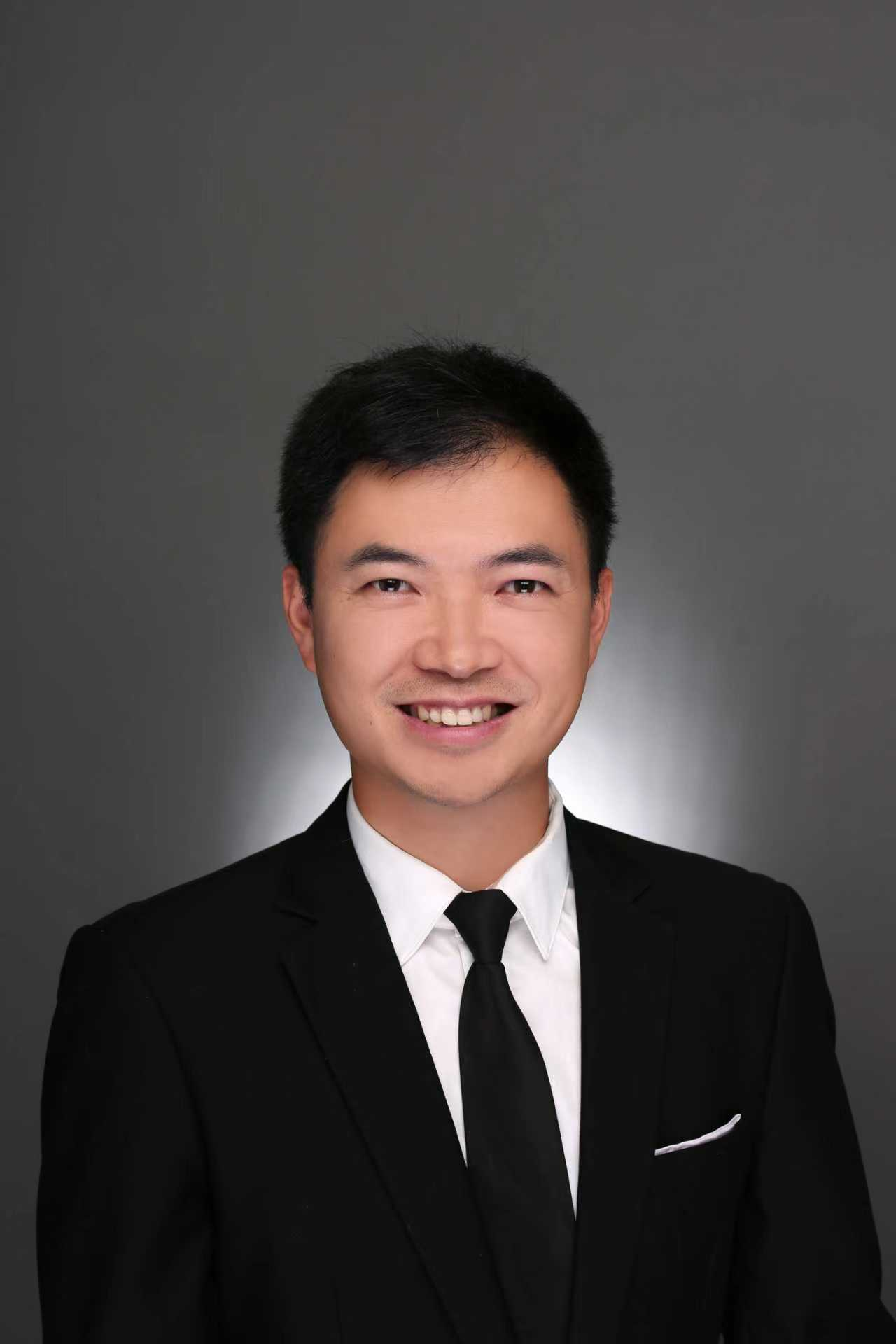
Hu Xiong, professor
University of Electronic Science and Technology of China (UESTC)
Abstract:
Passwords have become the most widely used authentication method due to their simplicity, low cost, and ease of updating. Unlike traditional brute-force and dictionary attacks, password cracking models learn the statistical characteristics of real passwords using probabilistic models and machine learning techniques, thus generating possible passwords more efficiently. Considering the difficulty of traditional password cracking models in effectively capturing the relationship between the base password and its isomorphic variants, we propose a novel password guessing framework, PassGIN. The core idea of this framework is to model the password as a weighted graph structure and utilize graph isomorphic networks to simultaneously encode the compositional and structural semantics of the password, thereby identifying subtle structural differences between these variants with high discriminative power. Through the introduction of dynamic edge weighting mechanisms such as PassCluster, experimental results on eight real datasets show that PassGIN significantly outperforms state-of-the-art models in both intra-site and cross-site password guessing, achieving relative improvements of 23.49% and 74.53%, respectively.
Biography:
Hu Xiong received the Ph.D. degree from the School of Computer Science and Engineering,
University of Electronic Science and Technology of China (UESTC). He is currently a full professor with the School of Information and Software Engineering, UESTC. His research interests include cyberspace security and artificial intelligence. He has published 2 authored books, over 150 refereed journal articles and conference papers in these areas. He is the Associate Editor of IEEE Internet of Things Journal, Cybersecurity, Transactions on Emerging Telecommunications Technologies, and International Journal of Information and Computer Security. He is a senior member of IEEE and also a IEEE VTS Distinguished Lecturer (2024-2026).